What to Look for in an Oklahoma City Electrician for Professional Electrical Repairs
What to Look for in an Oklahoma City Electrician for Professional Electrical Repairs
Blog Article
Licensed Electrician for Safe and Efficient Electrical Solutions
Selecting a licensed electrician represents a critical decision for residential and commercial establishments. Their proficiency ensures compliance with local codes, promoting efficiency and safety in electrical infrastructure. Overlooking electrical issues can result in major hazards, such as fires and shocks. Understanding the role of a certified electrical expert can clarify why their services are crucial. What factors should one think about when selecting the right professional for specific needs?
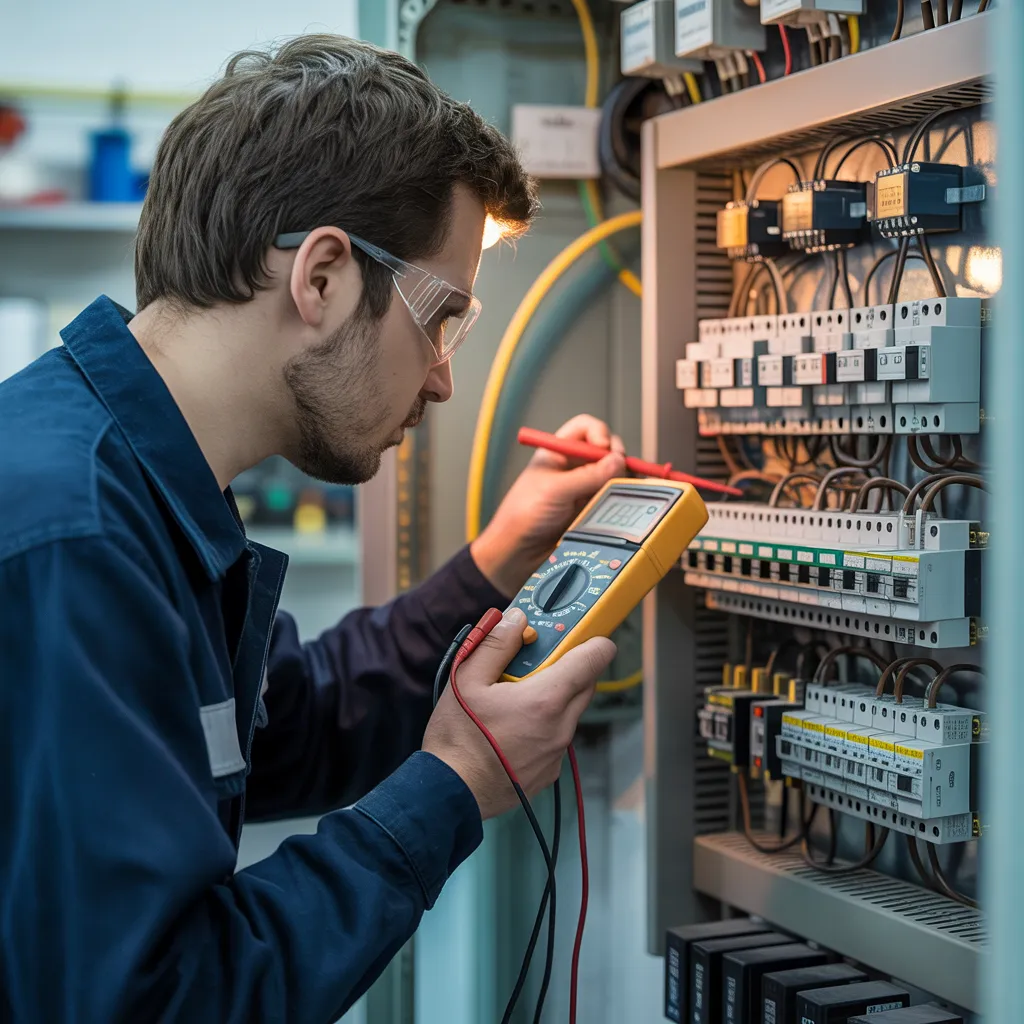
Typical Electric Challenges You Must Not Overlook
Many homeowners might neglect usual electrical faults, but promptly dealing with these issues is essential for both protection and performance. Flickering lights commonly point to a loose bulb or faulty wiring, which can turn into more critical dangers. Similarly, frequent tripped circuit breakers indicate an overloaded system or potential shorts, both needing urgent care. Overheating outlets can present fire dangers, suggesting worn-out wiring or incompatible devices. Homeowners should also be wary of unusual electrical smells, as they may indicate burning insulation or other critical problems. Finally, if outlets or switches are hot when touched, this can signal a serious electrical fault. Recognizing these problems early can avoid mishaps and expensive fixes, ensuring a more protected household. By prioritizing the resolution of these common electrical issues, homeowners can maintain the efficiency and safety of their electrical systems.
Why Contracting a Authorized Electrician Is Necessary
Hiring a licensed electrician is essential for ensuring compliance with electrical codes, which are designed to protect property and lives. Their knowledge not only guarantees proper installation and repairs but also emphasizes safety in potentially hazardous situations. By hiring a licensed professional, homeowners can prevent costly mistakes and improve the durability of their electrical systems.
Following Power Requirements
Making sure of conformity with electrical codes is important for the safety and functionality of any electrical system. Licensed electricians carry the know-how needed to deal with the complicated regulations that regulate electrical work. These codes are created to protect individuals and belongings from electrical hazards, assuring that installations are safe and reliable. Failure to comply with these codes can bring about grave consequences, including electrical ignitions, equipment breakdown, or expensive repairs. Also, many local authorities require permits for electrical work, which licensed electricians can smoothly obtain. By contracting a licensed professional, homeowners and businesses can confirm that their electrical systems meet all required standards, thereby creating a safer environment and improving the longevity of the installation. Compliance is not merely a statutory responsibility; it is a crucial part of ethical electrical work.
Expertise And Safety Assurance
A professional electrician who is certified serves as an essential component in protecting the safety and reliability of electrical infrastructure. Their extensive training and knowledge equip them with the skills to identify and fix intricate electrical complications, curtailing risks related to faulty wiring or inadequate installations. Qualified electrical professionals maintain demanding safety practices, significantly reducing the possibility of injuries or violations. Moreover, they are knowledgeable about local and national electrical codes, which ensures compliance and shields homeowners from conceivable legal exposure. By hiring a licensed electrician, individuals can be confident that their power requirements are executed with exactness, fostering a secure environment. At the end of the day, this investment in professional expertise yields peace comprehensive guide of mind and sustained cost benefits in maintenance and repairs.
What You Should Know About Local Electrical Codes
Grasping local power standards is critical for promoting safety adherence and regulatory compliance in any electrical projects. These codes not only differ by region but also create fundamental safety standards that must be observed. A licensed electrician is deeply familiar with these standards, making their skills indispensable for any project.
Importance Of Electrical Guidelines
Observance of electrical codes functions as a essential framework for safety and efficiency in electrical installations. These codes, established by national and local regulatory bodies, ensure that electrical systems are installed and designed to reduce hazards such as electrical fires, shocks, and equipment failures. Adherence to these regulations promotes uniformity in building practices, enabling inspections and maintenance. Moreover, electrical codes are regularly revised to reflect improvements in safety practices and technology, making it vital for electrical professionals to remain current. By adhering to these codes, certified electricians not only safeguard people but also enhance the longevity and reliability of electrical infrastructure. In summary, the significance of electrical standards cannot be overstated, as they serve a critical function in protecting both property and people.
Regional Code Differences Outlined
While circuit standards formulate a foundational standard for well-being, jurisdiction-specific differences often express the specialized needs and conditions of designated communities. These local codes may consider aspects such as climate, population density, and historical infrastructure. For example, areas prone to severe weather may have more demanding directives for outdoor installations, while regions with older buildings might require extra measures for renovation. Additionally, local authorities may adopt codes to support operational savings or green practices, harmonizing with community ambitions. Recognizing these variations is vital for homeowners and contractors, as compliance guarantees not only safeguarding but also the persistence of power networks. Ultimately, engaging with a licensed electrician versed with local regulations is imperative for successful project completion.
Compliance And Safety Standards
How can homeowners guarantee their electrical installations meet safety standards? Comprehending regional electrical regulations is crucial for verifying adherence and protection. These codes are established to protect both buildings and people from electrical hazards. Homeowners should speak with licensed electricians who are knowledgeable about these requirements, as they differ by location and may change over time. Regular inspections can help detect potential issues before they turn into major issues. Additionally, acquiring the required authorizations before beginning any electrical work is critical, as this ensures that the installation is reviewed and meets all local standards. By remaining knowledgeable and working with professionals, homeowners can guarantee their electrical systems are both safe and efficient, minimizing the risk of accidents and enhancing overall performance.
Selecting the Ideal Certified Electrician for Your Work
Deciding on the right licensed electrician for a endeavor can greatly impact its safety and success. Consumers should begin by vetting electricians with legitimate credentials and insurance, verifying they follow local ordinances. Recommendations from friends, family, or online reviews can supply insights into a professional's consistency and work excellence.
It's imperative to assess the electrician's skill level in analogous projects. A proficient electrician may be more adept at executing designated responsibilities, such as domestic electrical systems or commercial installations. Additionally, collecting multiple quotes can enable in identifying prevailing prices and the spectrum of offerings rendered.
Communication skills are also vital; effective electricians must be able to explain issues clearly and address any questions. Finally, inspecting warranties on completed work can provide peace of mind, ensuring that any future issues will be resolved. By carefully weighing these factors, individuals can select an electrician who aligns with their project needs.
Advantages of Periodic Inspections by Licensed Electricians
What advantages can routine inspections by certified electrical professionals offer homeowners and businesses? Regular inspections ensure that electrical systems operate safely and efficiently, reducing the risk of hazards such as electrical fires or equipment failures. Licensed electricians possess the expertise to detect potential issues before they escalate, allowing proactive maintenance and avoiding costly fixes. Moreover, these inspections help guarantee adherence with local codes and regulations, safeguarding against legal exposure.
Moreover, routine evaluations can boost energy efficiency by spotting outdated or faulty wiring and appliances, ultimately reducing energy bills. Homeowners and businesses can also take advantage of improved reliability of electrical systems, minimizing downtime and disruption. By investing in regular evaluations, property owners can increase the lifespan of their electrical systems, guaranteeing long-term performance and safety. Overall, periodic assessments by licensed electricians deliver peace of mind, recognizing that electrical systems are in peak condition.
Grasping the Rates Involved in Retaining an Electrician
Knowing the costs tied to hiring an electrician is vital for property owners and commercial enterprises alike, especially after understanding the weight of routine evaluations. Various aspects affect these costs, embracing the complexity of the project, the electrician's background, and area-specific pricing differences. Typically, electricians charge per-hour fees or fixed fees for specific work. Per-hour fees can range from $50 to $150, depending on the electrician's skill level and the project's urgency character.
Additionally, supplies and licenses may contribute to the overall expenses. For standard work, such as installing fixtures or replacing outlets, costs may be foreseeable. However, urgent fixes or extensive rewiring can greatly increase costs. Homeowners and businesses should also consider potential long-term savings from engaging certified contractors who ensure work meets safety requirements. Overall, understanding these costs can help in making informed decisions and budgeting effectively for electrical requirements.
Frequently Inquired Questions
How Do I Validate an Electrician Certifications and Licenses?
To authenticate an electrician's licensing and credentials, one should reach out to the local licensing board, review state or provincial regulations, and consult online databases to verify their qualifications and any potential disciplinary actions.
What Qualifications Should I Consider in a Licensed Electrician?
When choosing a licensed electrician, one should seek out relevant certifications, experience in specific electrical tasks, knowledge of local codes, insurance coverage, and favorable client feedback to guarantee excellence and dependability in their services.
Can I Handle Electrical Work on My Own if I Possess Experience?
Skills could be beneficial, but conducting electrical work without proper licensing and permits is ordinarily inadvisable. Local regulations often require authorized specialists for safety, compliance, and reliability, making certain that all work fulfills necessary standards.
What Safety Measures Should I Take During Electrical Projects?
In electrical projects, individuals should always deactivate the power, use insulated tools, wear rubber-soled shoes, and guarantee proper ventilation. Additionally, adopting personal protective equipment and following local codes enhances safety and curtails risks considerably.
How Do I Prepare My House for an Electrical Professional's Arrival?
Preparing for an appointment with an electrician requires that property owners remove obstacles from work spaces, guarantee easy access to electrical panels, gather important paperwork, and discuss particular problems or issues beforehand to promote efficient service and communication.
Report this page